The Future of Community Investment
A Tipping Point
We are approaching a tipping point in how the world thinks about investment and community. For decades, "community investment" was a niche category, practiced by mission-driven funds and overlooked by mainstream finance. That is changing, and the change is accelerating.
Three forces are driving this shift, and together they will reshape the investment landscape within the next decade.
Force 1: Demographic Reality
The world's fastest-growing populations are in the markets that traditional capital has historically ignored. By 2050, Africa's working-age population will exceed that of China and India combined. Southeast Asia, Latin America, and underserved communities within developed nations are all experiencing demographic shifts that will redefine global economic geography.
Capital follows growth. And growth is concentrated in exactly the communities that community investment has always served. What was once a values-driven strategy is becoming a growth-driven imperative.
The investors who build relationships with these communities now will have an insurmountable advantage when the rest of the market arrives.
Force 2: Technology Democratization
Technology is systematically reducing the barriers that once made community investment difficult. Mobile money enables financial inclusion without bank branches. Satellite data enables agricultural lending without physical inspections. Digital platforms enable talent matching without geographic proximity.
These technologies do not just make existing investments more efficient. They create entirely new investment categories that were previously impossible. A micro-insurance product distributed via mobile phone to smallholder farmers was not investable fifteen years ago. Today it is a multi-billion-dollar market.
The democratization of technology means that community-scale solutions can now achieve venture-scale economics. This changes the math for every investor.
Force 3: Generational Values Shift
The next generation of investors -- both institutional and individual -- prioritizes impact alongside returns. This is not a soft sentiment. It is reflected in capital allocation. ESG funds, impact investing vehicles, and community development financial institutions are all growing faster than their conventional counterparts.
This generational shift creates a structural demand for community investment products. The capital is looking for a home, and community investment is one of the few categories that authentically delivers on the promise of returns plus impact.
What the Future Looks Like
Based on these forces, I see community investment evolving in four specific directions:
1. Blended Capital Structures
The future is not purely commercial or purely philanthropic. It is blended: structures that combine grant capital, concessionary debt, and market-rate equity to finance projects that no single capital type can support alone. These structures are complex but powerful, enabling investments that would otherwise be impossible.
2. Community Ownership Models
As community investment matures, ownership structures will evolve beyond traditional equity. Community ownership models -- cooperatives, community land trusts, revenue-sharing agreements -- will become more common, ensuring that the wealth created by investment stays within the community rather than extracting to distant shareholders.
3. Data-Driven Impact Measurement
The impact measurement challenge is being solved by better data. Real-time tracking of employment, income growth, educational attainment, and health outcomes will replace the anecdotal evidence that has characterized impact reporting. This data will enable more precise targeting of capital and more rigorous evaluation of results.
4. Mainstream Integration
Community investment will cease to be a separate category. It will be integrated into mainstream investment practice as investors recognize that community-embedded businesses are simply better businesses. The artificial separation between "impact" and "investment" will dissolve.
The Opportunity for Today's Investors
For investors positioned at this inflection point, the opportunity is extraordinary. The markets are growing. The tools are improving. The capital is flowing. And the competition -- while increasing -- remains far below what the opportunity warrants.
The question is not whether community investment will become mainstream. It will. The question is whether you will be positioned to benefit when it does.
Building that position requires starting now: developing relationships, building local knowledge, establishing track records, and earning the trust that will be impossible to manufacture once the crowd arrives.
A Personal Commitment
This is the work I have committed my career to building. Not because it is the only way to generate returns -- there are many paths to financial success. But because it is the path that generates returns and transforms communities and proves that capital can be a force for genuine good.
The future of investment is community. The future of community is investment. And the future is closer than most people realize.
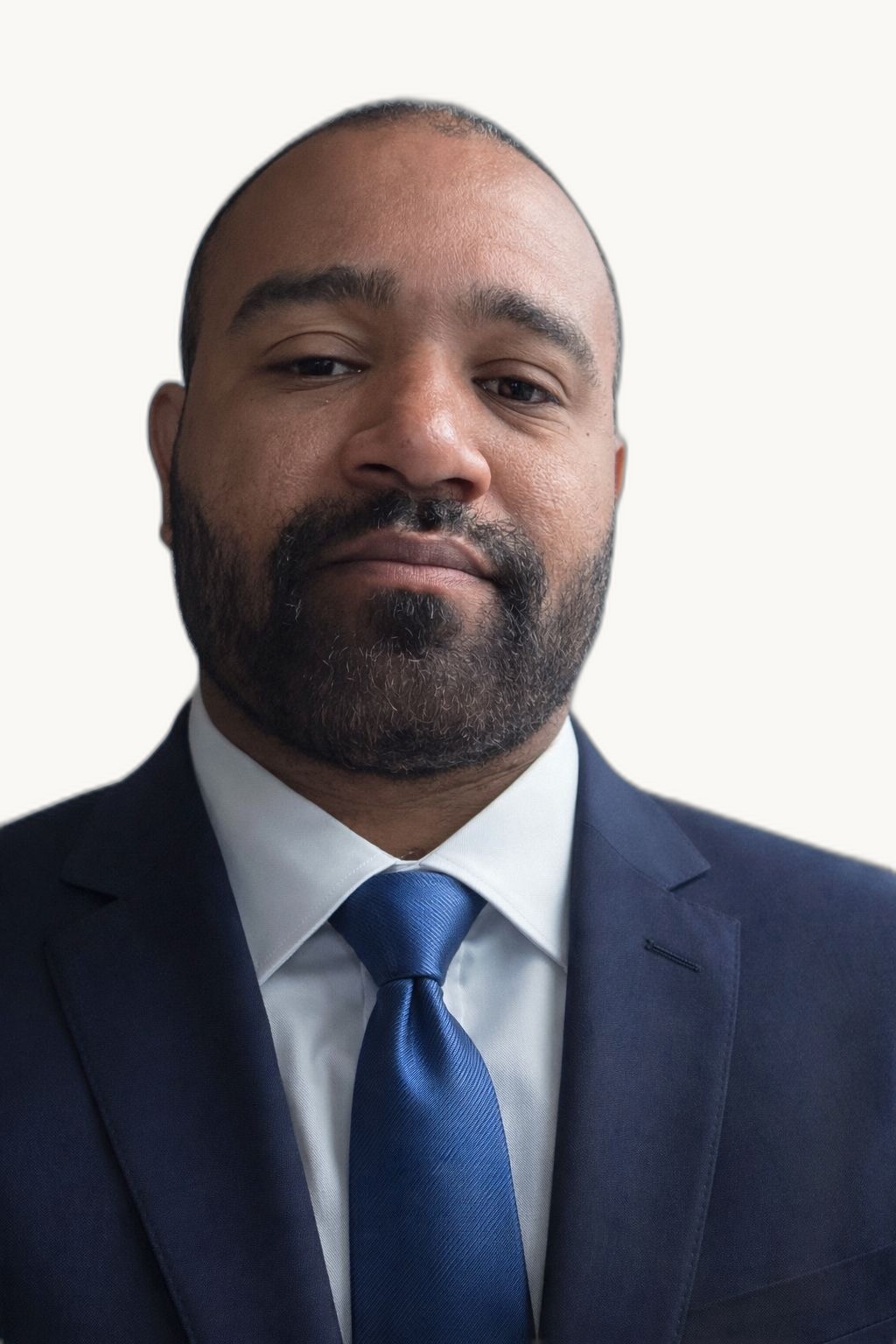
Investor and advisor focused on building ventures in underserved communities. Read my story →
Related Posts
Scaling Impact: Ojufund's First Five Years
Five years of building an impact-first investment firm. What worked, what did not, and what we learned about deploying capital in underserved markets.
Why I Invest in People, Not Just Ideas
Ideas are abundant. Execution is rare. The single most important factor in any investment is the person behind it.
The Power of Patient Capital
In a world obsessed with speed, patient capital is a radical act. It is also the most reliable path to outsized returns in underserved markets.