Scaling Impact: Ojufund's First Five Years
The Beginning
When I founded Ojufund in early 2016, I had a thesis, a network, and an unshakable conviction that underserved markets represented the greatest investment opportunity of our generation. What I did not have was a track record, a fund, or any certainty that the thesis would work.
Five years later, the thesis has been tested, refined, and validated. Not every bet has paid off. Not every assumption has proven correct. But the core insight -- that patient, people-first capital deployed in underserved markets generates both financial returns and lasting community impact -- has been confirmed beyond what I initially imagined.
Here is an honest accounting of what we learned.
What Worked
1. People-First Investing
Our most successful investments share a common characteristic: an exceptional founder with deep community roots. When we prioritized the person over the business plan, our hit rate improved dramatically. The founders who came from the communities they served had an unfair advantage in customer understanding, talent recruitment, and operational resilience.
2. Patient Timelines
Our willingness to hold investments longer than the industry standard allowed our portfolio companies to build durable businesses rather than optimize for premature exits. Companies that other investors would have pushed to sell at year five were generating significantly more value at year seven and beyond.
3. Ecosystem Approach
Rather than making isolated investments, we built a portfolio that created internal synergies. Our logistics investment facilitated distribution for our agricultural technology investment. Our financial services platform provided banking access to customers of our education technology company. The portfolio became more than the sum of its parts.
The ecosystem approach turned individual investments into a network effect. Each company strengthened the others, creating value that no single investment could generate alone.
4. Local Partnerships
Our best market entries came through partnerships with local investors and operators who understood the terrain. When we tried to go it alone, we made mistakes that local knowledge would have prevented. Humility about what we did not know became a competitive advantage.
What Did Not Work
1. Moving Too Fast Initially
In our first year, we deployed capital too quickly, driven by enthusiasm rather than discipline. Two of our earliest investments underperformed because we did not spend enough time understanding the local context before committing. We have since implemented a more rigorous, relationship-driven due diligence process that takes longer but produces better results.
2. Underestimating Operational Support Needs
Early on, we assumed that capital was the primary constraint for our portfolio companies. We were wrong. Many founders also needed operational support: help with financial management, governance, talent development, and strategic planning. We invested in building a portfolio support team, which improved outcomes significantly but added operational costs we had not initially planned for.
3. One-Size-Fits-All Terms
Our initial investment terms were relatively standardized. We learned that different businesses, markets, and founders require different structures. A financial services company needs different capitalization than an agricultural technology company. A founder in a nascent market needs different milestones than one in a more developed ecosystem. Customization became essential.
The Numbers
After five years, our portfolio included investments across multiple countries and sectors. While I cannot share specific financial details, I can say that:
- Our overall portfolio return exceeded our initial projections
- Our best-performing investments were in markets that other investors had explicitly rejected
- Our default rate was lower than industry averages for comparable stage investments
- Our portfolio companies collectively created thousands of jobs in underserved communities
These numbers validate the thesis, but they tell only part of the story. The less quantifiable impact -- the ecosystems strengthened, the founders empowered, the communities served -- is equally significant.
Key Lessons for the Next Five Years
Lesson 1: Impact and returns are not trade-offs. They are complements. Businesses that genuinely serve their communities build stronger customer relationships, attract better talent, and create more durable competitive advantages.
Lesson 2: Scale is not the only measure of success. A company that transforms a local economy is as valuable as one that reaches millions of users. We have learned to appreciate depth of impact alongside breadth.
Lesson 3: The talent pipeline is everything. The long-term success of underserved market investing depends on a growing pool of skilled founders, managers, and technical talent. Investing in education and training is not just philanthropy; it is essential infrastructure for future returns.
Lesson 4: Storytelling matters. The narrative around underserved markets affects capital flows. When we share the stories of successful investments and thriving founders, we attract more capital to the space. Every success story makes the next investment easier to fund.
Five years in, I am more convinced than ever that this work matters. The opportunity is larger than I initially imagined. The founders are more talented than I dared hope. And the returns -- financial and human -- justify every moment of patience.
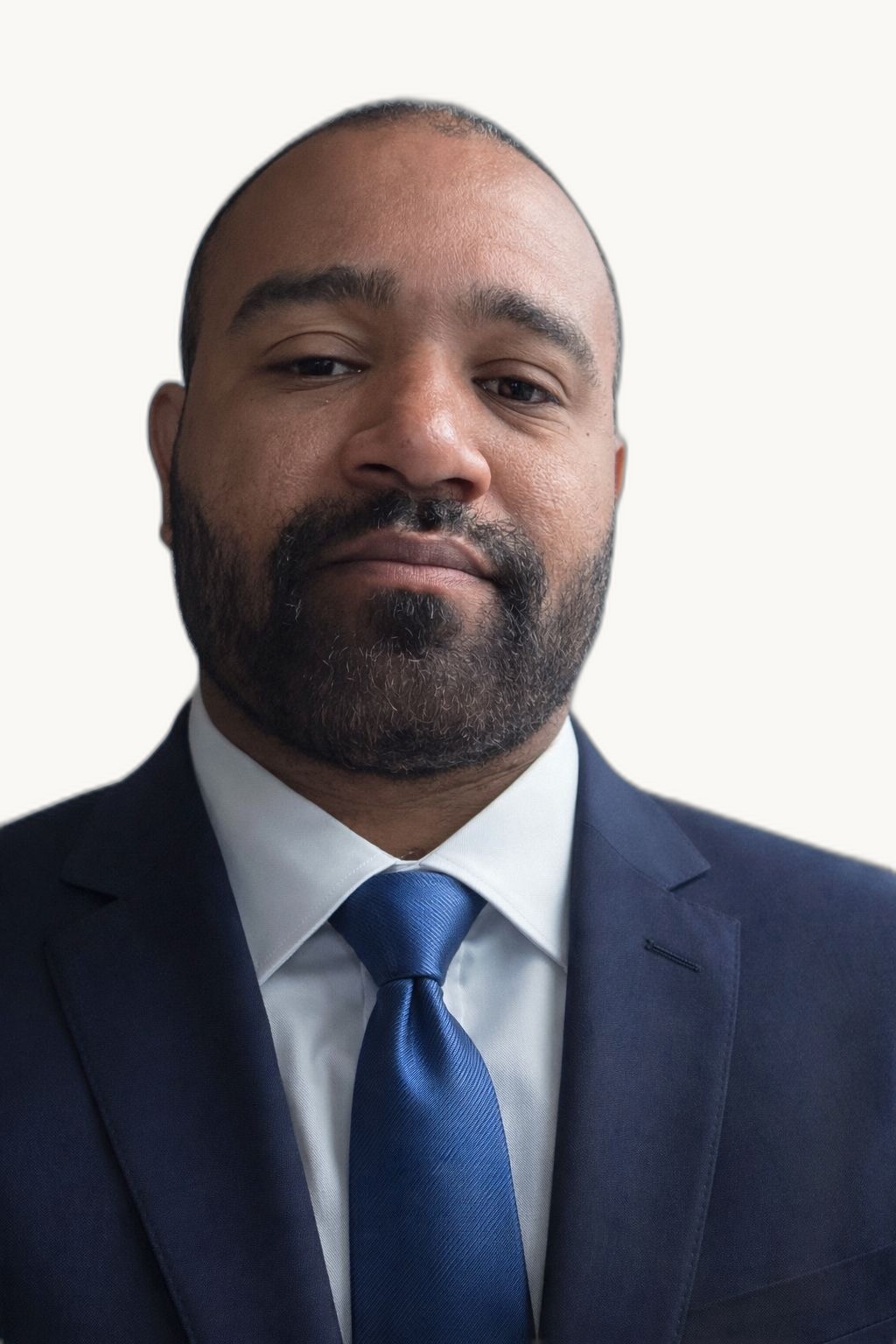
Investor and advisor focused on building ventures in underserved communities. Read my story →
Related Posts
The Future of Community Investment
Community investment is evolving from niche strategy to mainstream practice. Here is where it is headed and why it matters for every investor.
The Power of Patient Capital
In a world obsessed with speed, patient capital is a radical act. It is also the most reliable path to outsized returns in underserved markets.
Three Ventures That Changed My Investment Thesis
Early investments in three very different businesses reshaped how I think about capital deployment, risk, and what makes a great founder.