Why I Invest in People, Not Just Ideas
The Founder Is the Investment
Every venture investor says they invest in people. It is the industry's most repeated mantra. But watch how most investors actually make decisions, and you will see a different story. They evaluate markets, analyze unit economics, stress-test financial models, and benchmark against comparable exits. The founder is assessed, but often as a checkbox rather than the thesis.
At Ojufund, the founder is not a factor in the investment. The founder is the investment. Everything else -- the market, the model, the product -- is context.
Why People Matter More
Markets shift. Products pivot. Financial models get rewritten. The one constant across the life of any venture is the person leading it. In the best case, the founder's vision, adaptability, and resilience carry the company through challenges that would destroy a lesser team. In the worst case, no amount of market tailwind can compensate for poor leadership.
This truth is amplified in underserved markets, where:
- Playbooks do not exist. There is no benchmark for "how to build a fintech in West Africa." The founder must write the playbook as they go.
- Challenges are multi-dimensional. Infrastructure gaps, regulatory ambiguity, talent scarcity, and cultural complexity all intersect. Only a founder with deep contextual understanding can navigate all of them simultaneously.
- Resilience is non-negotiable. The path from startup to scale in an underserved market is longer, harder, and less predictable. The founder's capacity to endure is the single best predictor of success.
I have seen brilliant business models fail because the founder could not adapt, and mediocre business models succeed because the founder would not quit.
What I Look For
When I evaluate a founder, I look beyond the standard criteria. Pedigree, charisma, and polish matter far less than:
- Lived experience -- Does this person understand their customer from personal experience, not market research?
- Track record of perseverance -- Has this person overcome genuine adversity, not just professional setbacks?
- Learning velocity -- How quickly does this person incorporate new information and adjust their approach?
- Community trust -- Do the people this founder claims to serve actually trust and respect them?
- Honest self-assessment -- Can this founder articulate their weaknesses as clearly as their strengths?
These qualities are difficult to assess in a pitch meeting. They require time, conversation, reference checks within the community, and the willingness to evaluate character as rigorously as you evaluate cash flow.
The Compounding Founder
A great founder in an underserved market does not just build one company. They build an ecosystem. They train employees who become founders. They establish standards that other companies adopt. They prove models that other investors fund. They create the conditions for the next generation of builders.
This compounding effect means that investing in the right person generates returns far beyond the financial. It generates systemic change.
The Practical Implication
This philosophy has a practical implication: I spend more time with founders before investing than most investors consider reasonable. I visit their communities. I talk to their customers, employees, and competitors. I understand their personal story as deeply as their business plan.
This is not due diligence theater. It is the core of my investment process. Because when you invest in people, you need to know the person.
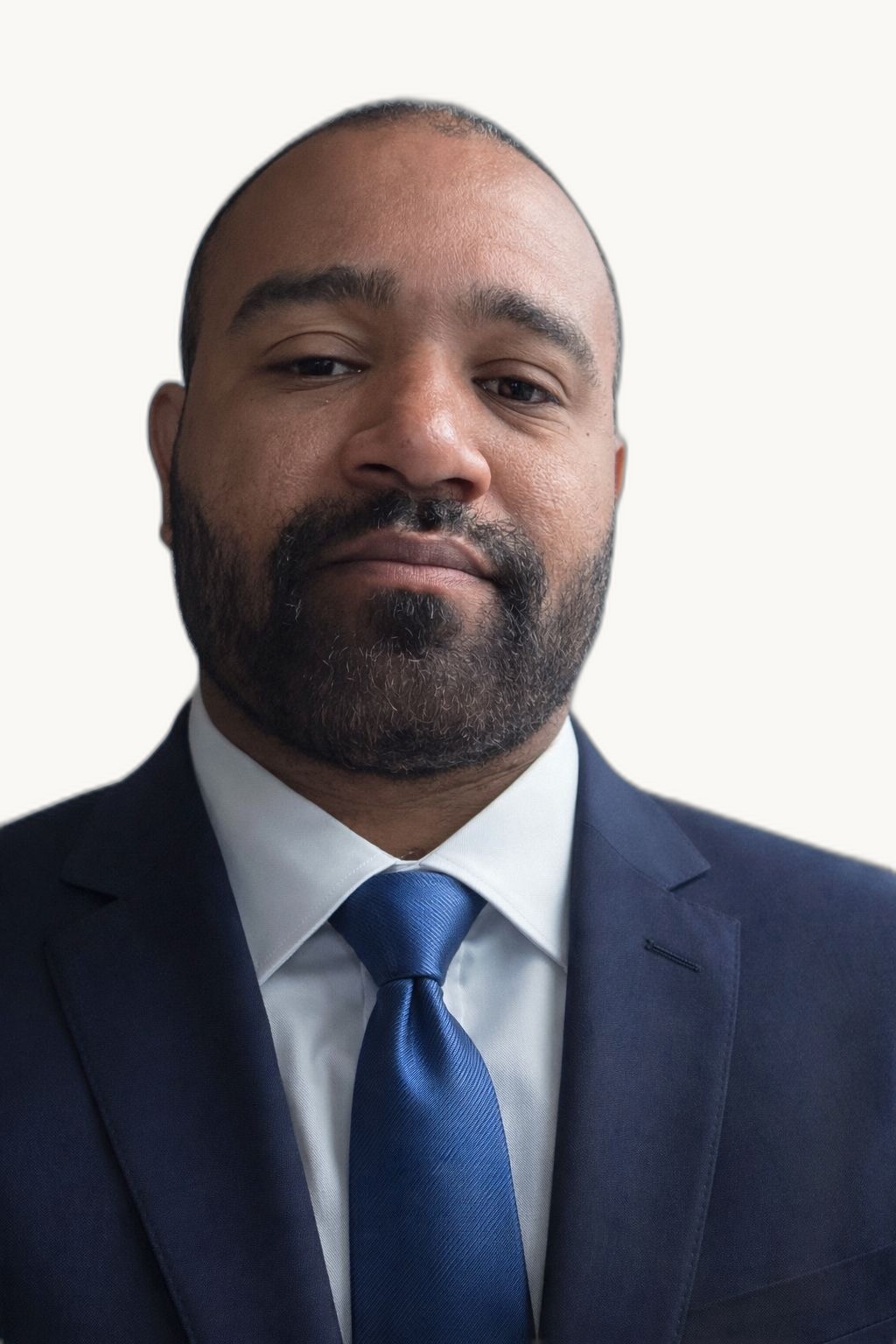
Investor and advisor focused on building ventures in underserved communities. Read my story →
Related Posts
The Future of Community Investment
Community investment is evolving from niche strategy to mainstream practice. Here is where it is headed and why it matters for every investor.
The Power of Patient Capital
In a world obsessed with speed, patient capital is a radical act. It is also the most reliable path to outsized returns in underserved markets.
What Western Investors Get Wrong About Africa
Africa is not a monolith, not a charity case, and not a frontier market. It is 54 countries with distinct economies, and Western investors keep making the same mistakes.