The Power of Patient Capital
Speed Is Not a Strategy
Modern venture capital worships speed. Deploy fast. Scale fast. Exit fast. The entire ecosystem -- from accelerators to growth funds to IPO advisors -- is optimized for velocity. And in certain contexts, this makes sense. In competitive markets with low barriers to entry, speed can be a genuine strategic advantage.
But in underserved markets, speed is often the enemy of success.
What Patient Capital Means
Patient capital is not slow capital. It is capital that matches its timeline to the opportunity's natural development arc rather than imposing an artificial deadline.
In practice, this means:
- Longer hold periods -- willing to own an asset for 10-15 years rather than 5-7
- Flexible milestones -- measuring progress against market reality, not arbitrary quarterly targets
- Reinvestment orientation -- prioritizing business growth over early distributions
- Founder alignment -- structuring deals so founders are not pressured into premature exits
Patient capital does not mean accepting lower returns. It means earning higher returns by allowing investments to compound beyond the point where impatient capital exits.
Why It Works in Underserved Markets
Underserved markets have characteristics that reward patience and punish haste:
Markets are building, not built. In a mature market, you can scale a product across existing infrastructure. In an underserved market, you may need to help build that infrastructure as you grow. This takes time, but it also creates durable competitive advantages.
Customers are developing, not developed. Customer education, trust building, and behavioral change take time in markets where formal financial products or technology solutions are new. Companies that invest in this education create loyalty that fast-moving competitors cannot replicate.
Ecosystems are emerging. The talent pipeline, supply chain networks, and supporting services that mature markets take for granted are still forming. Patient investors benefit as the entire ecosystem matures, not just their individual investment.
The Compounding Effect
The mathematics of patient capital are compelling. A company that grows steadily at 30% per year for fifteen years generates a 51x return. The same company, if sold after seven years of the same growth rate, generates only a 6x return. The additional eight years of compounding create eight times the value.
In underserved markets, where growth rates can exceed 30% for extended periods because of the enormous unmet demand, patient capital captures value that impatient capital leaves on the table.
The Patience Premium
I call this the patience premium: the excess return earned by investors willing to hold longer than the market average. It is the mirror image of the liquidity premium -- just as investors demand higher returns for illiquid assets, investors who supply patience in markets that demand it earn higher returns.
This premium exists because most investors are structurally impatient. Fund structures, LP expectations, and career incentives all push toward shorter hold periods. This creates a systematic opportunity for anyone willing to play a longer game.
Building for Patience
Patient capital requires different structures: longer fund lives, different fee arrangements, LPs who understand the thesis, and GPs who measure themselves on different timelines. It requires courage, because the early years of a patient investment look indistinguishable from a failed one to outside observers.
But for those who can hold their nerve, patient capital is the most powerful force in impact investing.
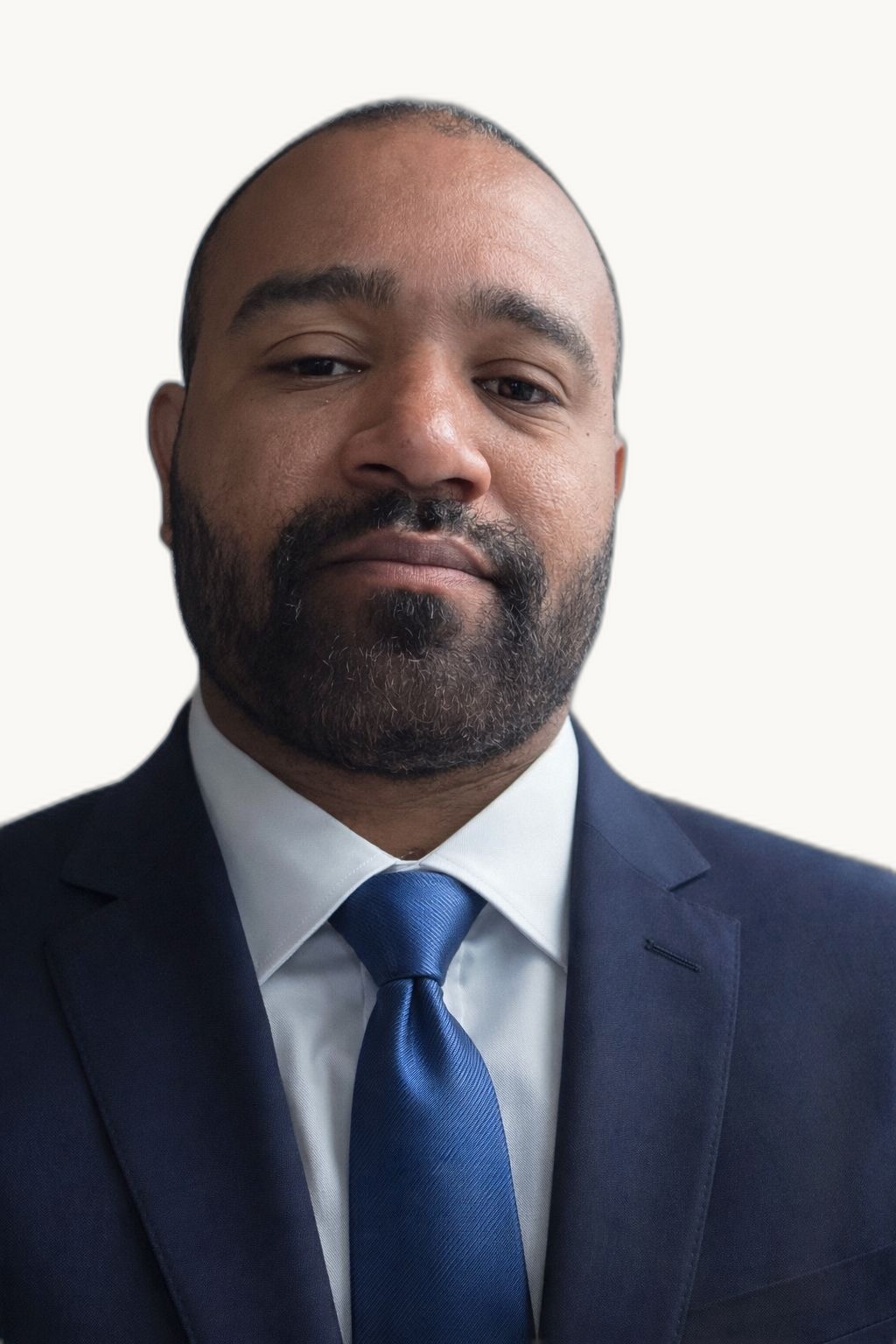
Investor and advisor focused on building ventures in underserved communities. Read my story →
Related Posts
The Future of Community Investment
Community investment is evolving from niche strategy to mainstream practice. Here is where it is headed and why it matters for every investor.
Scaling Impact: Ojufund's First Five Years
Five years of building an impact-first investment firm. What worked, what did not, and what we learned about deploying capital in underserved markets.
Why I Invest in People, Not Just Ideas
Ideas are abundant. Execution is rare. The single most important factor in any investment is the person behind it.