From Monrovia Markets to Modern Finance
Two Trading Floors
The first trading floor I ever experienced was not on Wall Street. It was the Waterside Market in Monrovia, Liberia -- a sprawling, chaotic, brilliant marketplace where thousands of vendors bought and sold everything from dried fish to electronics, fabric to pharmaceuticals.
Years later, when I stepped onto an actual institutional trading floor for the first time, the feeling was strangely familiar. The energy. The rapid calculation. The constant negotiation. The information networks. The raw capitalism.
The surfaces could not have been more different. The substance was identical.
The Principles Are Universal
My aunt ran a trading business in the Monrovia markets. She did not have a degree in finance. She had something better: decades of practical wisdom about how commerce actually works. Let me share what she taught me, translated into the language of modern finance.
Principle 1: Know your counterparty. In the markets, my aunt knew every regular customer by name, by reputation, by credit history. She extended informal credit based on this knowledge and rarely lost money. This is exactly what relationship lending is supposed to be -- and what modern banking has largely forgotten.
Principle 2: Manage your inventory. My aunt tracked her stock meticulously, adjusting purchases based on seasonal demand, competitor pricing, and supply chain disruptions. She did not use spreadsheets or inventory management software. She used attention. The principle is the same: working capital management determines whether a business survives or thrives.
Principle 3: Diversify your risk. No market trader sold only one product. My aunt sold fabric, cosmetics, and household goods. When one category slowed, others carried the business. This is portfolio theory in its purest form, practiced intuitively by people who would never use that phrase.
The market women of Monrovia practiced modern portfolio theory, dynamic pricing, and relationship-based credit scoring long before these concepts had names. They just called it business.
Principle 4: Information is everything. The market ran on information networks. Who had the best prices? Which supplier had new stock? What was the exchange rate? Traders who had the best information made the best decisions. On Wall Street, we call this information advantage. In Monrovia, they called it keeping your ears open.
Principle 5: Reputation is your balance sheet. In a market without formal contracts or legal enforcement, your reputation was your most valuable asset. A trader known for fair dealing and honest weights attracted more customers and better terms from suppliers. This is brand equity, earned through consistent behavior rather than marketing spend.
What Modern Finance Forgot
Modern finance has formalized these principles into sophisticated frameworks. We have credit scoring algorithms, portfolio optimization software, real-time market data, and brand valuation methodologies. These tools are powerful.
But somewhere in the formalization, we lost something important: the human element. The market women understood that commerce is fundamentally about relationships between people. Every transaction has a human context. Every investment affects real lives. Every business exists within a community.
When we reduce these realities to spreadsheet cells, we make better calculations but worse decisions. The numbers tell you what happened. The relationships tell you why -- and what will happen next.
Bridging the Worlds
My career has been about bridging these two worlds. Taking the human insight of the Monrovia markets and combining it with the analytical rigor of modern finance. Using sophisticated tools to serve the communities that sophisticated finance traditionally overlooks.
This is not a compromise. It is a synthesis. And it produces better outcomes than either approach alone.
The market women had the wisdom. Wall Street has the tools. The future of finance lies in combining them.
Every time I evaluate an investment, I hear my aunt's voice: "Know who you are dealing with. Count your goods. Do not put all your eggs in one basket. Listen more than you talk. And always, always keep your word."
That is a complete investment philosophy. Everything else is commentary.
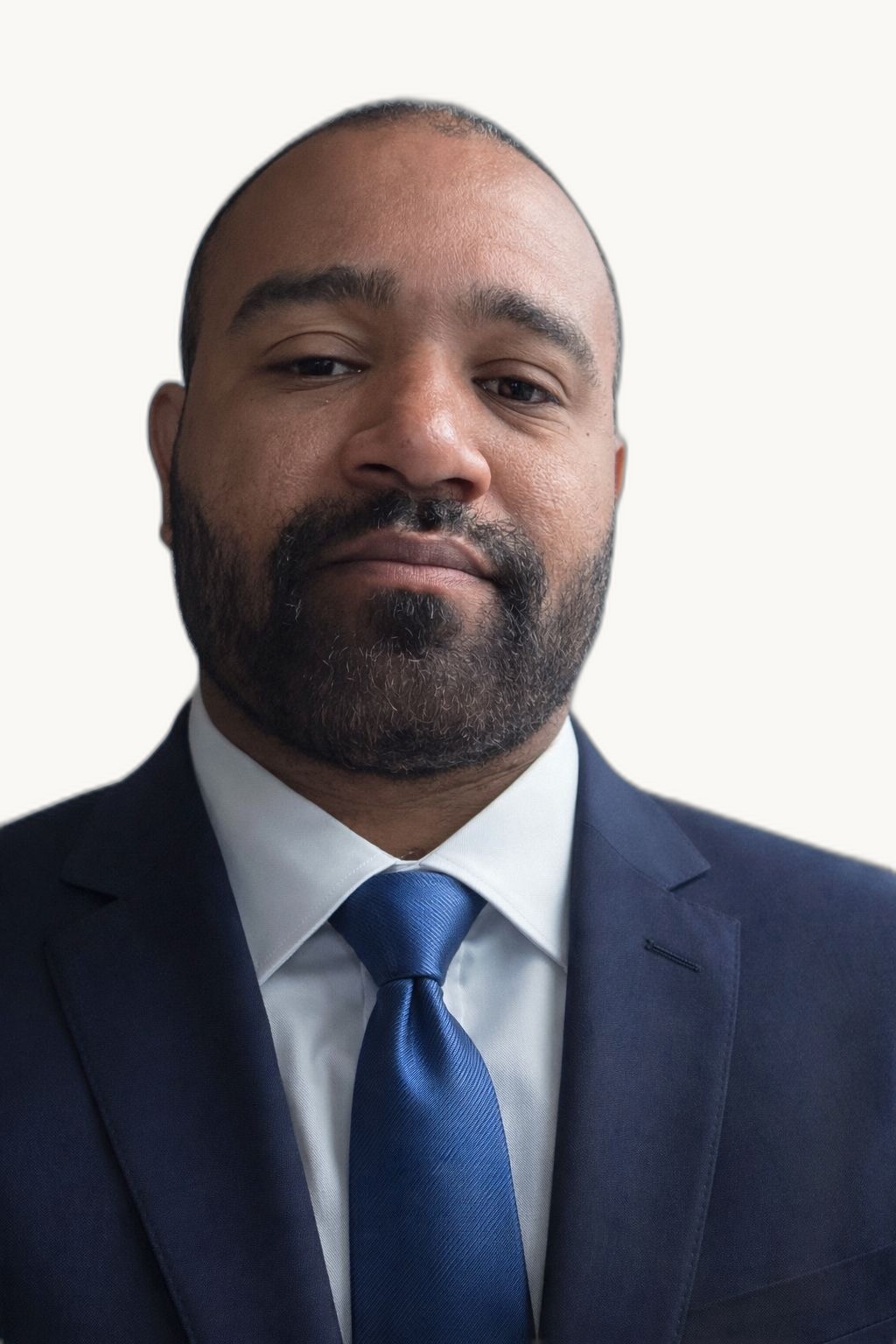
Investor and advisor focused on building ventures in underserved communities. Read my story →
Related Posts
What Western Investors Get Wrong About Africa
Africa is not a monolith, not a charity case, and not a frontier market. It is 54 countries with distinct economies, and Western investors keep making the same mistakes.
Three Ventures That Changed My Investment Thesis
Early investments in three very different businesses reshaped how I think about capital deployment, risk, and what makes a great founder.
The Myth of the Risky Emerging Market
Emerging markets are labeled 'risky' by investors who confuse unfamiliarity with danger. The real risk is ignoring the largest growth markets on earth.