What Western Investors Get Wrong About Africa
The Continent, Not the Country
The first mistake Western investors make about Africa is treating it as a single entity. "We're looking at Africa" is a statement as meaningless as "We're looking at Asia" or "We're looking at the Americas." Africa is 54 countries spanning 30 million square kilometers, with over 2,000 languages, vastly different regulatory environments, and economies ranging from highly developed to deeply nascent.
When investors say "Africa," they usually mean Kenya, Nigeria, South Africa, and Egypt. These four countries receive the overwhelming majority of foreign investment. The other fifty are invisible -- not because they lack opportunity, but because investors lack the patience to understand them.
The Five Persistent Mistakes
Having worked across multiple African markets and grown up in Liberia, I have watched Western investors repeat the same errors for years.
Mistake 1: The Savior Framework
Many Western investors approach Africa with a charitable mindset disguised as investment strategy. They want to "help" or "give back" or "make a difference." These are admirable impulses, but they are terrible foundations for investment.
When you approach a market as something to be saved, you miss its strength. You see deficits instead of assets. You design solutions for problems you do not fully understand.
The best African entrepreneurs do not want saviors. They want partners. They want capital that respects their expertise, engagement that adds genuine value, and relationships built on mutual benefit rather than patronage.
Mistake 2: Importing Solutions
The second mistake is assuming that what works in San Francisco will work in Lagos. Western investors love to fund "the Uber of Africa" or "the Amazon of the continent." These analogies are comfortable but misleading.
African markets have distinct characteristics that require distinct solutions. Mobile money succeeded in Kenya not because someone imported PayPal, but because M-Pesa was designed from the ground up for a market where most people had mobile phones but not bank accounts. The insight was local. The innovation was indigenous.
The best investments in Africa fund solutions born from African insight, not Western templates adapted for African markets.
Mistake 3: Short Time Horizons
Western venture capital operates on a 7-10 year fund cycle. In African markets, where infrastructure is still being built and ecosystems are still maturing, this timeline is often too short. Companies that need fifteen years to reach their potential are evaluated against a ten-year clock, and promising investments are rejected because they do not fit an arbitrary timeline.
Patient capital -- capital willing to match its timeline to the market's development trajectory -- generates better returns and better outcomes. But patience requires a different fund structure, different LP expectations, and a different definition of success.
Mistake 4: Ignoring Local Capital
Western investors often behave as if they are the only source of capital for African ventures. This is increasingly untrue. Local and regional investors, diaspora networks, development finance institutions, and innovative financing mechanisms are all active across the continent.
The smartest approach is not to compete with local capital but to complement it. Foreign investors bring global networks, technical expertise, and access to international markets. Local investors bring context, relationships, and operational knowledge. The combination is powerful.
Mistake 5: Risk Theater
The final mistake is what I call "risk theater." Western investors arrive in African markets and demand extensive risk mitigation: comprehensive insurance, multiple legal opinions, exhaustive market studies, political risk assessments. Each of these has a cost, and cumulatively they can consume a significant portion of an early-stage investment.
Much of this risk mitigation is performed for the investor's psychological comfort, not for genuine protection. A $50,000 political risk analysis does not actually reduce political risk. It just makes the investor feel better about a risk they do not understand.
The alternative is building genuine market knowledge. Spend time on the ground. Build relationships with local operators. Develop the pattern recognition that comes from experience rather than reports. This approach is slower, but it produces better decisions and lower costs.
What Getting It Right Looks Like
Getting Africa right as an investor means starting with humility. It means acknowledging that your frameworks may not apply. It means building relationships before deploying capital. It means respecting local expertise. It means matching your timeline to the market, not the other way around.
Most importantly, it means approaching African markets with the same intellectual rigor and respect you would bring to any developed market. Africa does not need special treatment. It needs equal treatment from investors who have done the work to understand what they are investing in.
A Personal Note
I write this as someone who has lived on both sides of this divide. I grew up in Liberia. I was educated in America. I invest across both worlds. When I see Western investors making these mistakes, I do not feel anger. I feel impatience. Because every dollar misallocated through ignorance is a dollar that could have been deployed intelligently.
The opportunity is real. The talent is abundant. The markets are growing. All that is missing is investors willing to do the work.
Africa does not need to be discovered. It needs to be understood.
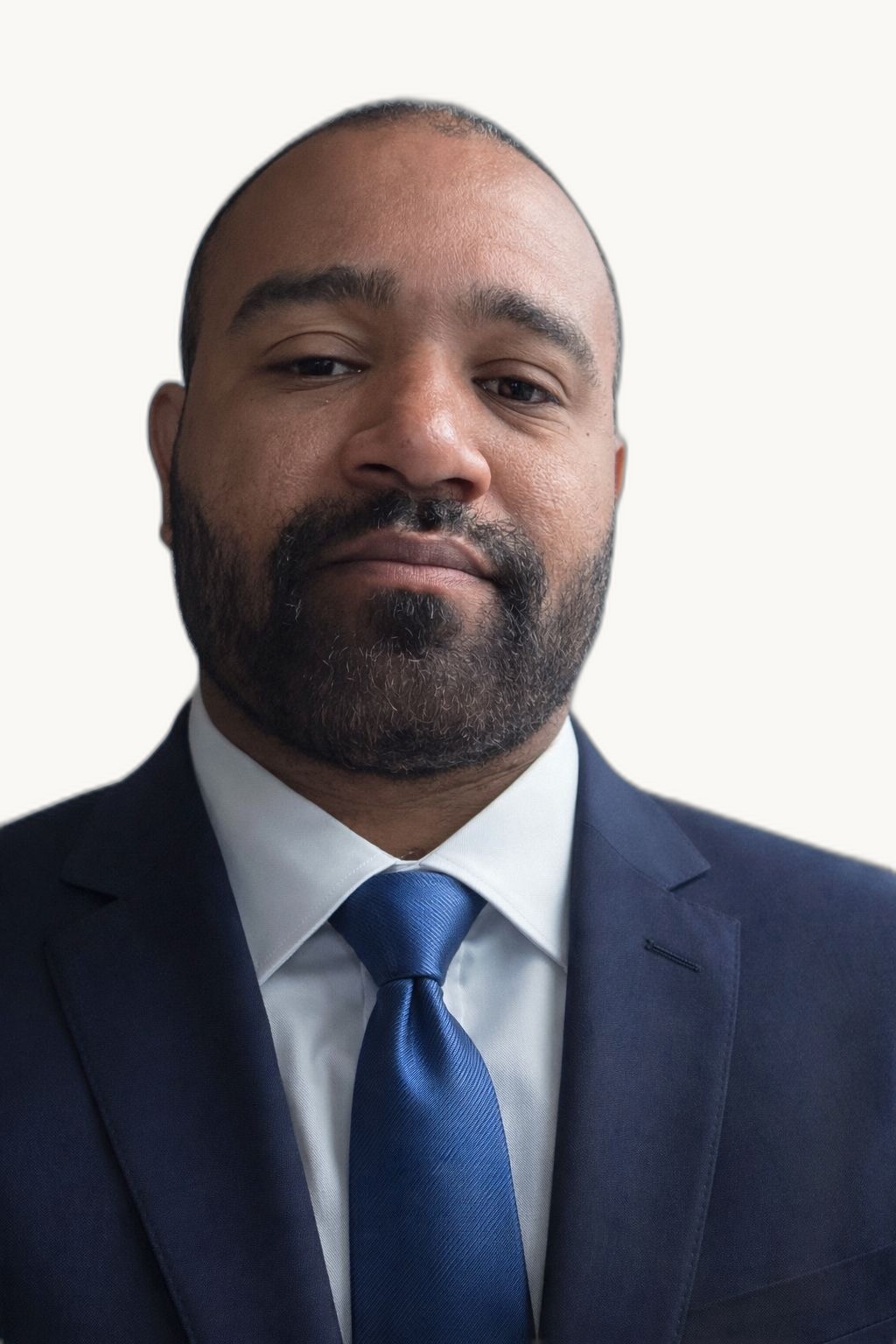
Investor and advisor focused on building ventures in underserved communities. Read my story →
Related Posts
The Future of Community Investment
Community investment is evolving from niche strategy to mainstream practice. Here is where it is headed and why it matters for every investor.
Why I Invest in People, Not Just Ideas
Ideas are abundant. Execution is rare. The single most important factor in any investment is the person behind it.
From Monrovia Markets to Modern Finance
The trading floors of Monrovia's open-air markets and the trading floors of Wall Street have more in common than you might think.