Three Ventures That Changed My Investment Thesis
Learning by Doing
Investment theses are not created in boardrooms. They are forged through experience -- through the specific, messy, surprising reality of backing founders and watching what happens. My current approach to impact investing was shaped by three early ventures that defied my expectations and forced me to rethink everything I thought I knew.
I will not name the specific companies. What matters is the pattern.
Venture One: The "Unbankable" Bank
The first was a financial services company targeting a population that every major bank had classified as too risky to serve. The founder had no banking background. She had a background in community organizing.
My initial analysis was skeptical. The target market had low average incomes, inconsistent employment, and no credit history. By every traditional metric, this was a terrible lending market.
The founder saw differently. She understood something that spreadsheets could not capture: community trust networks are a form of credit infrastructure. She designed a product that used social bonds as a risk management mechanism. Borrowers were organized into groups, and the group's collective reputation served as collateral.
The results were extraordinary. Default rates were lower than any comparable product offered by traditional banks. Customer acquisition cost was a fraction of industry benchmarks because word-of-mouth within tight-knit communities drove organic growth.
Lesson one: The best founders do not have better answers. They ask better questions. This founder asked "What do these people already have that I can build on?" instead of "What do these people lack?"
Venture Two: The Infrastructure Play
The second venture was a logistics company operating in a region with notoriously poor transportation infrastructure. The founder had spent a decade driving trucks before starting the company. He knew every road, every seasonal pattern, every bottleneck from personal experience.
I almost did not invest. The margins looked thin. The capital requirements were high. The market seemed brutally competitive.
What I missed was the platform effect. Once the logistics network was established, it became the infrastructure layer for every other business in the region. E-commerce companies, agricultural exporters, pharmaceutical distributors -- they all needed reliable logistics. The company did not just serve a market; it became the market.
Within five years, the company was the default logistics partner for the entire region. The thin margins at the individual shipment level translated to extraordinary returns at the platform level because of volume and network effects.
Lesson two: In underserved markets, infrastructure plays have asymmetric upside. The first reliable provider does not just win market share; they create the market itself.
Venture Three: The Pivoted Purpose
The third was an education technology company that started with one product and ended up building something completely different. The founder initially wanted to create an online tutoring platform. Within six months of launch, she discovered that her users did not need tutoring -- they needed job placement.
A traditional investor would have seen this as a failure. The original thesis was wrong. The product did not work. Time to cut losses.
Instead, the founder pivoted. She rebuilt the platform around employment matching, using the educational content as a training pipeline rather than a standalone product. The new model generated revenue from employers rather than students, creating a financially sustainable model that also served the original mission of improving educational and economic outcomes.
Lesson three: The best founders are not married to their original vision. They are married to the problem. The willingness to pivot is not a weakness; it is the defining characteristic of founders who build lasting companies.
How These Changed My Thesis
These three ventures taught me that my inherited investment frameworks were inadequate for the opportunities I was pursuing. Traditional venture capital evaluation emphasizes:
- Pedigree -- but the best impact founders often come from non-traditional backgrounds
- Market size -- but underserved markets are systematically undercounted by available data
- Scalability -- but the most impactful businesses sometimes scale through depth, not breadth
- Speed -- but patient growth often produces more durable businesses
My revised thesis emphasizes:
- Founder-market fit -- not pedigree, but lived understanding of the customer
- Infrastructure potential -- does this business enable an ecosystem, not just a product
- Adaptability -- can this team learn and pivot without losing their mission
- Community embedding -- is this business woven into the fabric of its market
The numbers still have to work. But the numbers are the floor, not the ceiling, of what great investments can achieve.
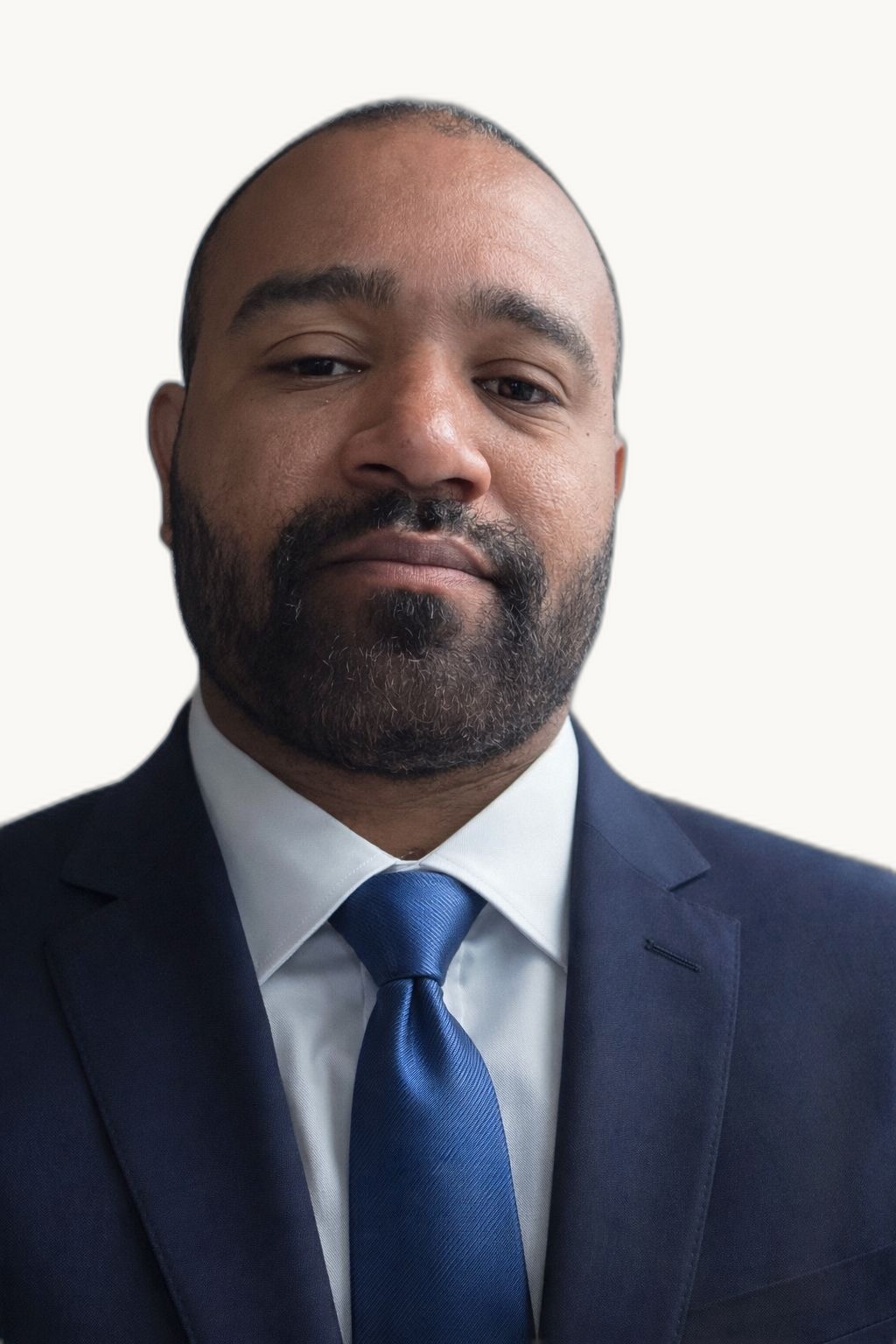
Investor and advisor focused on building ventures in underserved communities. Read my story →
Related Posts
The Future of Community Investment
Community investment is evolving from niche strategy to mainstream practice. Here is where it is headed and why it matters for every investor.
Scaling Impact: Ojufund's First Five Years
Five years of building an impact-first investment firm. What worked, what did not, and what we learned about deploying capital in underserved markets.
From Monrovia Markets to Modern Finance
The trading floors of Monrovia's open-air markets and the trading floors of Wall Street have more in common than you might think.