Lessons From Liberia: What Civil War Taught Me About Resilience
A Country That Refused to Break
Liberia's civil wars lasted fourteen years. Fourteen years of displacement, destruction, and loss that reshaped an entire nation. I was a child during the worst of it, too young to understand the politics but old enough to witness the consequences.
What I remember most is not the destruction. It is the rebuilding.
The Market Women
In Monrovia, the market women were the first to return after each ceasefire. While politicians debated and international organizations planned, these women laid out their goods on makeshift tables and started trading. They did not wait for permission or infrastructure. They created economy from nothing because their families depended on it.
The market women of Monrovia taught me more about entrepreneurship than any business school ever could. They understood that commerce is an act of hope.
This lesson stayed with me. When I evaluate founders today, I look for that same quality: the ability to build forward regardless of the circumstances. Not recklessness, but a stubborn insistence on creation even when the environment suggests surrender.
What Resilience Actually Means
Western business culture celebrates resilience as a buzzword. Founders talk about resilience when their Series A takes six months instead of three. With respect, that is not resilience. That is inconvenience.
True resilience is rebuilding your entire livelihood after everything has been taken. It is educating your children in a war zone. It is maintaining community bonds when every institution has failed. The people I grew up around in Liberia demonstrated this kind of resilience daily, not as a performance, but as a survival strategy.
This distinction matters for investors. When I meet a founder who has navigated genuine adversity -- not the adversity of a down market, but the adversity of systemic exclusion, poverty, or conflict -- I recognize something that does not appear on a pitch deck. I recognize someone who will not quit when things get hard, because they have already survived harder.
Community as Infrastructure
One of Liberia's most important lessons was about community. When formal infrastructure collapses -- when there is no electricity, no reliable water, no functioning government -- community becomes the infrastructure. Neighbors share resources. Extended families pool capital. Trust networks replace institutional frameworks.
This is why community-led development is not just a nice theory; it is a proven model. Communities that organize around shared challenges are remarkably effective at solving them. They have local knowledge, social accountability, and motivation that no external organization can replicate.
At Ojufund, we invest with this principle in mind. We do not parachute into communities with solutions. We find leaders already doing the work and give them the capital to scale.
The Paradox of Fragility and Strength
Liberia taught me that fragility and strength coexist. A country can be broken and resilient simultaneously. A community can lack every material resource and still possess extraordinary human capital. An economy can be devastated on paper and teeming with entrepreneurial energy on the ground.
This paradox is uncomfortable for investors who prefer clean narratives. But learning to hold both realities at once is essential for anyone who wants to invest in the places where capital can make the most difference.
Carrying It Forward
I left Liberia, but Liberia never left me. Every investment decision I make is filtered through the understanding that potential is universally distributed, even when opportunity is not. The market women of Monrovia proved that. The children who studied by candlelight proved that. The families who rebuilt everything from nothing proved that.
My job is to ensure their grandchildren have the capital to build on what they started.
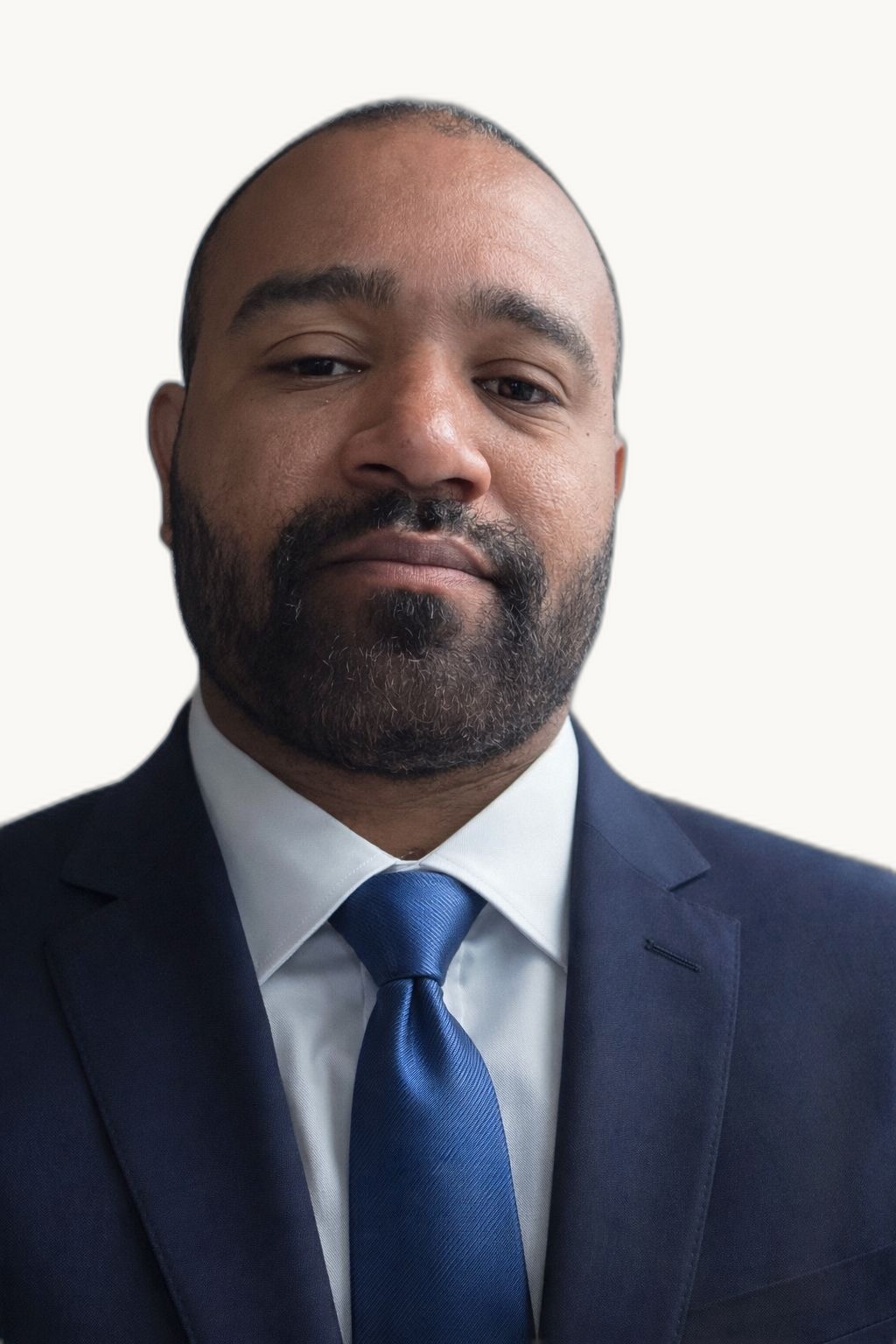
Investor and advisor focused on building ventures in underserved communities. Read my story →
Related Posts
Why I Invest in People, Not Just Ideas
Ideas are abundant. Execution is rare. The single most important factor in any investment is the person behind it.
From Monrovia Markets to Modern Finance
The trading floors of Monrovia's open-air markets and the trading floors of Wall Street have more in common than you might think.
The Power of Patient Capital
In a world obsessed with speed, patient capital is a radical act. It is also the most reliable path to outsized returns in underserved markets.